

A Practical Guide to Browsing Online Casino Game Types
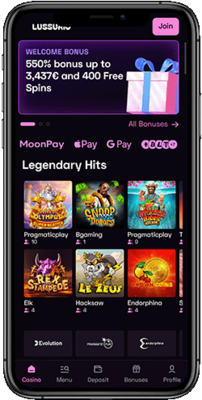
Large casino catalogues can make game selection feel harder rather than easier. A useful approach is to begin with the type of experience you want, then narrow the results by format, provider, pace and risk characteristics. The lussurio online casino catalogue is described as covering thousands of titles, from video slots and table games to live dealer rooms, instant-win products and crash games. That range gives Canadian adults plenty to compare, but it also makes a structured browsing method valuable.
Begin with the kind of play you actually want
The first decision is not which individual title looks attractive. It is whether you want a mostly automated game, a traditional table format, a live hosted session or a quick result. Video slots suit players who prefer visual themes, changing paylines and feature rounds. Classic slots offer a simpler presentation, while progressive jackpot games add a prize pool that may change over time. These categories can feel similar at first glance, so checking the paytable and game information remains important.
Table games provide a different type of interaction. Roulette centres on predictions about where a ball will land, while blackjack involves decisions about whether to take another card, stand or use another available option. Baccarat and video poker have their own rules and pacing. Bingo, keno, dice and scratch cards are separate formats rather than variations of slots, and they may appeal to people who want shorter or more straightforward rounds.
For a fast shortlist, divide the catalogue into four broad groups:
- Reels: video slots, classic slots, jackpots and feature-led titles.
- Tables: roulette, blackjack, baccarat, poker and video poker.
- Quick-play games: bingo, keno, dice, scratch cards, instant-win and crash games.
- Live rooms: dealer-hosted table games, game shows and live poker variants.

After choosing one group, compare only a few titles at a time. This reduces the temptation to move constantly between unrelated formats and makes it easier to notice how rules, stakes and round speed differ.
How do providers and categories improve discovery?
Provider browsing is useful when you already know the style of game you prefer. A studio may be associated with particular visual themes, bonus mechanics, live presentation styles or game speeds. The catalogue lists suppliers such as Pragmatic Play, NetEnt, Red Tiger Gaming, Quickspin, Yggdrasil Gaming, Hacksaw Gaming, Relax Gaming, BGaming, Playson, ELK Studios and Big Time Gaming, among others. Those names can act as filters, but they should not be treated as proof that every title from one provider has the same characteristics.
Category labels are also helpful for reducing the search field. Someone interested in jackpot content can look there first, while a player wanting a dealer-led session can move directly to live blackjack, live roulette or live baccarat. Named examples in Canadian-oriented listings include Big Bass Christmas Bash, Big Bass Return to the Races, Valley of the Gods 2 and Cubes. Examples are best used as starting points, not as recommendations based on guaranteed results.

When comparing several titles, record a few practical details before choosing:
- the basic rules and whether the game is familiar;
- the minimum and maximum stake shown in the game information;
- the pace of each round and whether play can be paused easily;
- the stated return-to-player figure, if published;
- the volatility description, where available; and
- whether bonus conditions exclude or limit that category.
Short demonstrations can show how a game operates, but they cannot establish future results or confirm that a particular session will be profitable. A title with attractive graphics may still be unsuitable if its pace or stake range does not fit your plan.
What separates slots from live casino formats?
Slots are generally the easiest category to scan because each title displays its theme, reels and feature style in a compact format. Some focus on expanding symbols or free-spin rounds, while others use cascading wins, multipliers or progressive jackpots. The main appeal is convenience: rounds do not depend on a dealer or table seat. The trade-off is that decisions are usually limited compared with blackjack or poker.
Live casino games provide a more social and structured presentation. A human dealer hosts the session through a video stream, and players interact with the game through an online interface. Live blackjack, roulette and baccarat are common formats, while game shows and poker variants add a more entertainment-focused style. They may take longer than automated games because the pace follows the dealer and the table’s activity.
Neither format is automatically safer or more suitable. Live presentation can make sessions feel more immersive, which may encourage someone to stay longer than intended. Slots can move quickly, making it easy to complete many rounds in a short period. Before selecting either format, decide how long the session will last and what amount is available for entertainment. The Responsible Gambling Council’s public information can provide broader context about keeping gambling within personal limits; it does not verify the rules or operation of any particular platform.
Game choice should therefore reflect practical preferences rather than assumptions about winning chances. Choose automated play for convenience, live play for dealer interaction, or table formats when you prefer decisions and familiar rules. In every case, read the individual game information instead of relying only on its category label.
Which fast-play categories need extra attention?
Instant-win, scratch, dice and crash games can appear attractive because their rounds are brief and their rules may be easy to understand. That simplicity can hide how quickly spending accumulates. A short round does not mean a lower financial risk, and an early result does not predict the next one. Set a session boundary before opening these categories, especially when the interface allows repeated play with little interruption.
Crash games deserve particular caution because the round ends when a multiplier stops increasing. The player must understand how the game resolves, when a cash-out decision applies and what happens if the round ends first. Dice and keno also rely on repeated outcomes that can create a misleading sense of patterns. Previous results do not make a future result due, and a streak does not change the underlying conditions of the next round.
Use a simple screening process before trying any quick-play title:
- Read the rules from beginning to end, including settlement and cancellation details.
- Check the displayed stake range and decide the maximum session amount in advance.
- Look for a history, reality-check or time-limit feature if the account provides one.
- Close the game when the time or spending boundary is reached.
Do not use speed as a reason to increase stakes. A category that is easy to understand can still produce rapid losses. If the game feels difficult to stop, move away from it rather than trying to recover earlier results.
How should Canadian players compare a shortlist?
Once three or four games remain, compare them on structure rather than appearance. Confirm the rules, stake range, published information and whether the game is available under the account’s selected currency and conditions. The source material identifies CAD among supported currencies, but individual availability can vary by account, location, supplier and current platform settings. Do not assume every listed title will appear for every player.
Promotional terms can also affect game discovery. Bonus-funded play may exclude or reduce contribution from categories such as live dealer, instant-win and crash games. A game that appears in the catalogue may therefore not qualify in the same way for a particular offer. Read the applicable promotion before choosing a title for bonus play, and remember that wagering requirements can apply to both deposit and bonus amounts where the terms say so.
Finally, separate entertainment preferences from claims about value. A higher displayed return-to-player figure is a long-term statistical measure, not a promise for one session. Volatility describes how results may be distributed, not whether a game will win today. If the platform’s information does not state a detail clearly, treat it as unknown and check the current game or account terms rather than relying on directory descriptions.
A sensible shortlist might contain one familiar table game, one slower slot, one live option and one quick-play title only if each fits the same predetermined budget and time limit. Comparing variety this way helps prevent novelty from becoming the main reason for continued play.
Questions about choosing casino games
Are thousands of games a sign of better quality?
Not necessarily. A large catalogue creates more choice, but quality still depends on clear rules, transparent game information, suitable stake limits and reliable access to the terms. A smaller shortlist of familiar formats may be more useful than browsing thousands of titles without a defined purpose.
Can a demo or short session prove that a game is fair?
No. A brief demonstration can explain the controls and general flow, but it cannot establish long-term results or guarantee future outcomes. Review the published game information and applicable terms. Avoid interpreting a short winning or losing sequence as evidence of a predictable pattern.
Should live dealer games be treated differently from slots?
They should be compared as different formats. Live games follow a dealer and may progress more slowly, while slots can allow rapid repeated rounds. Neither format guarantees better results. Consider pace, interaction, rules and your planned session limit before choosing between them.